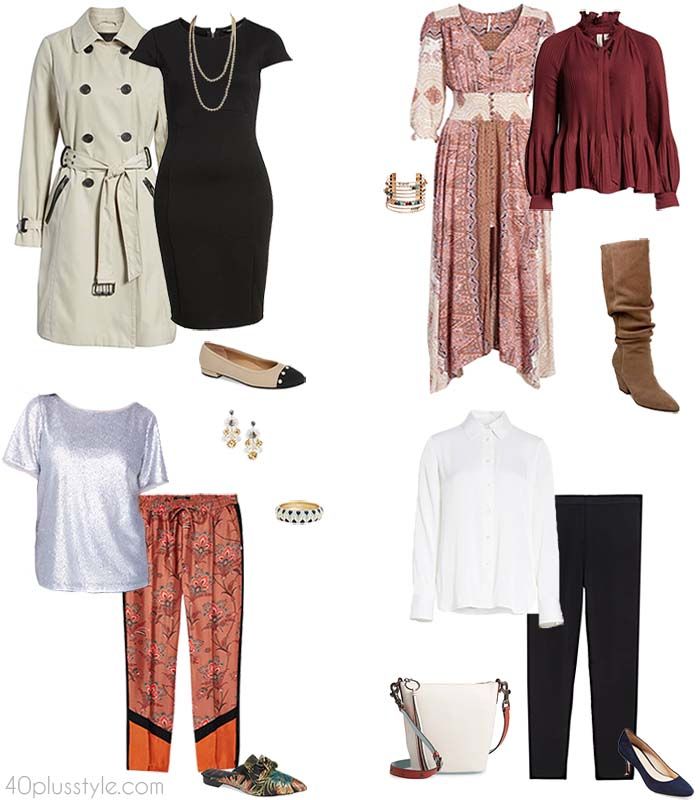
Unveiling The Tapestry Of Fashion: Explore A World Of Styles
Fashion style refers to the distinctive visual expression of a person or group of people. It can be influenced by cultural, social, and personal factors. There are numerous fashion styles, each with its own unique characteristics and appeal.
Understanding fashion styles is important for several reasons. First, it can help individuals express their creativity and personality. Second, it can provide insights into different cultures and subcultures. Third, it can assist in making informed decisions about personal appearance and style.
Throughout history, fashion styles have evolved and changed to reflect the prevailing social and cultural norms. Some of the most iconic fashion styles include the flapper style of the 1920s, the poodle skirt style of the 1950s, and the grunge style of the 1990s. Today, there is a wide range of fashion styles to choose from, allowing individuals to express their unique style and personality.
What Kind of Fashion Styles Are There
Fashion encompasses a vast array of styles, each reflecting unique cultural influences, personal preferences, and societal norms. Understanding the diverse range of fashion styles is crucial for appreciating the multifaceted nature of human expression and creativity.
- Historical Evolution: Fashion styles have transformed throughout history, mirroring cultural shifts and technological advancements.
- Cultural Influences: Fashion styles are often deeply rooted in cultural traditions, showcasing regional aesthetics and values.
- Personal Expression: Fashion serves as a powerful tool for individuals to express their creativity and assert their unique identity.
- Social Identity: Fashion can signify group affiliation, reflecting shared values and beliefs within communities and subcultures.
- Economic Factors: Fashion styles can be influenced by economic conditions, with luxury and high-end styles often associated with affluence.
- Demographic Factors: Age, gender, and lifestyle can influence fashion choices, resulting in distinct styles for different demographic groups.
- Geographical Variations: Climate, geography, and local resources can impact fashion styles, leading to regional variations in attire.
- Technological Advancements: Innovations in textiles, manufacturing techniques, and design tools have significantly shaped fashion styles.
- Seasonal Trends: Fashion styles often follow seasonal trends, influenced by factors such as weather, cultural events, and industry cycles.
- Celebrity Influence: Celebrities and fashion icons can significantly influence fashion trends, making certain styles highly sought after.
In conclusion, the diverse range of fashion styles reflects the multifaceted nature of human expression, influenced by historical, cultural, social, economic, and personal factors. Understanding these key aspects provides a deeper appreciation for the role of fashion in shaping individual identity, societal norms, and cultural heritage.
Historical Evolution
The historical evolution of fashion styles is inextricably linked to the development of "what kind of fashion styles are there." As societies have evolved and technological advancements have been made, fashion styles have transformed to reflect these changes.
For example, the Industrial Revolution brought about new technologies and materials, which in turn led to the development of new fashion styles. The invention of the sewing machine, for instance, made it possible to mass-produce clothing, which led to the rise of ready-to-wear fashion. Similarly, the development of synthetic fibers such as nylon and polyester in the 20th century gave rise to new and innovative fashion designs.
Understanding the historical evolution of fashion styles is important because it provides context for the wide range of fashion styles that exist today. It also helps us to appreciate the role that fashion plays in reflecting the social and cultural values of different eras.
In conclusion, the historical evolution of fashion styles is a key component of understanding "what kind of fashion styles are there." By studying the history of fashion, we can gain a deeper appreciation for the vielfltig nature of human expression and creativity.
Cultural Influences
Cultural influences play a significant role in shaping "what kind of fashion styles are there." Fashion styles are often deeply rooted in cultural traditions, showcasing regional aesthetics and values.
- Traditional Clothing: Many cultures have traditional forms of clothing that have been passed down through generations. These traditional garments often reflect the cultural heritage, religious beliefs, and social customs of a particular region or community.
- Textiles and Patterns: The use of textiles and patterns in fashion is often influenced by cultural traditions. For example, in India, brightly colored fabrics and intricate embroidery are commonly used in traditional clothing, reflecting the country's rich textile heritage.
- Cultural Symbolism: Fashion can also be used to express cultural symbolism. For example, in some African cultures, certain colors and patterns are associated with specific tribes or clans.
- Cultural Identity: Fashion can play an important role in shaping cultural identity. By wearing traditional or culturally influenced clothing, individuals can express their connection to their cultural heritage and community.
In conclusion, cultural influences are a key factor in determining "what kind of fashion styles are there." Fashion styles are often deeply rooted in cultural traditions and values, reflecting the diverse cultural heritage of different regions and communities around the world.
Personal Expression
In the realm of fashion, personal expression plays a pivotal role in shaping "what kind of fashion styles are there." Fashion transcends mere aesthetics; it empowers individuals to project their creativity, individuality, and sense of self.
- Style as a Reflection of Inner Self: Fashion choices often mirror an individual's personality, values, and aspirations. By selecting specific garments, accessories, and combinations, people communicate aspects of their inner selves, creating a visual representation of their unique identity.
- Fashion as a Form of Artistic Expression: Many fashion enthusiasts view their style as a form of artistic expression. They experiment with different colors, textures, and silhouettes to create visually striking outfits that showcase their creativity and imagination.
- Fashion as a Means of Self-Empowerment: For some, fashion serves as a means of self-empowerment. By embracing their personal style, individuals can boost their confidence, assert their independence, and challenge societal norms.
- Fashion as a Tool for Social Commentary: Fashion can also be a powerful tool for social commentary. Through their clothing choices, individuals can make statements about their beliefs, values, and perspectives on the world, sparking conversations and raising awareness about important issues.
In conclusion, the connection between personal expression and the diverse array of fashion styles is undeniable. Fashion empowers individuals to express their creativity, assert their unique identity, and engage in self-expression, artistic exploration, and social commentary.
Social Identity
The connection between social identity and fashion styles is deeply intertwined, shaping the vast array of fashion choices available. Fashion serves as a potent symbol of group affiliation, reflecting the shared values, beliefs, and experiences of communities and subcultures.
Individuals often adopt fashion styles that align with their social identities. For instance, members of a particular profession may adhere to a specific dress code that signifies their professional affiliation and shared values. Similarly, members of a sports team or club may wear uniforms or team colors to project their group identity and camaraderie.
Fashion choices can also reflect cultural or ethnic identity. Traditional garments, such as the kimono in Japan or the sari in India, carry deep cultural significance and serve as symbols of national pride and heritage. By wearing these garments, individuals express their connection to their cultural roots and shared values.
Furthermore, fashion can play a role in forming and reinforcing social norms. Certain fashion styles may become associated with specific subcultures or countercultures, serving as markers of group membership and shared beliefs. For instance, the punk subculture is known for its distinctive fashion style, characterized by spiked hair, leather jackets, and safety pins, which symbolizes rebellion and anti-establishment sentiment.
Understanding the connection between social identity and fashion styles is crucial for comprehending the diverse range of fashion choices that exist. Fashion choices are not merely about personal aesthetics but also serve as powerful markers of group affiliation, cultural identity, and social norms.
Economic Factors
Economic factors play a significant role in shaping the landscape of fashion styles. The availability of resources, consumer spending patterns, and overall economic conditions can influence the types of fashion styles that are produced and consumed.
- Luxury and High-End Fashion: During periods of economic prosperity, luxury and high-end fashion styles often flourish. Consumers with disposable income may invest in expensive designer clothing, accessories, and haute couture, as these items are often seen as symbols of status and affluence.
- Affordable Fashion: In times of economic downturn, affordable fashion becomes more prevalent. Consumers may prioritize value and practicality over luxury, opting for less expensive clothing options that still meet their basic needs. Fast fashion brands and discount retailers often thrive during these periods by offering trendy and affordable clothing.
- Economic Inequality: Economic inequality can also impact fashion styles. In societies with high levels of inequality, there may be a stark contrast between the fashion choices of the wealthy elite and the less affluent population. This can lead to the emergence of distinct fashion subcultures that reflect different economic realities.
- Cultural Influences: Economic factors can also interact with cultural influences to shape fashion styles. For example, in some cultures, traditional clothing may be more prevalent in both prosperous and challenging economic times, as it holds cultural and symbolic significance beyond its economic value.
In conclusion, economic factors are closely intertwined with the diverse range of fashion styles that exist. Economic conditions, consumer spending patterns, and levels of economic inequality can influence the types of fashion styles that are produced, consumed, and valued within a society.
Demographic Factors
Within the vast spectrum of fashion styles, demographic factors such as age, gender, and lifestyle play a significant role in shaping individual fashion choices. Understanding the connection between demographic factors and fashion styles is crucial for comprehending the diverse range of fashion expressions that exist.
- Age: Age is a key demographic factor that influences fashion choices. Younger generations tend to embracetrends and experimental styles, while older generations may prefer more classic and timeless pieces. For instance, teenagers and young adults may gravitate towards streetwear, athleisure, and trendy accessories, while older adults may opt for sophisticated and elegant ensembles.
- Gender: Gender is another significant factor that shapes fashion styles. Societal norms and cultural expectations often dictate distinct fashion choices for men and women. For example, in many cultures, women's fashion tends to emphasize dresses, skirts, and high heels, while men's fashion often revolves around tailored suits, dress shirts, and trousers. However, gender roles in fashion are becoming increasingly fluid, with individuals embracing styles that transcend traditional gender boundaries.
- Lifestyle: Lifestyle also plays a vital role in influencing fashion choices. Individuals' occupations, hobbies, and daily routines can impact their fashion preferences. For instance, professionals working in corporate environments may opt for formal and polished attire, while artists and musicians may favor more bohemian and eclectic styles. Similarly, individuals who engage in outdoor activities may prioritize functional and comfortable clothing.
In conclusion, demographic factors are closely intertwined with the diverse range of fashion styles that exist. Age, gender, and lifestyle can all influence individual fashion choices, resulting in distinct styles that reflect the unique characteristics and preferences of different demographic groups.
Geographical Variations
The connection between geographical variations and fashion styles is deeply intertwined and has played a significant role in shaping the diverse range of fashion styles that exist around the world. Climate, geography, and local resources all contribute to the unique fashion choices and styles that are prevalent in different regions.
Climate, for instance, can greatly influence fashion choices. In cold climates, people tend to wear warmer clothing made from materials such as wool, fur, and leather to protect themselves from the elements. In contrast, in hot and humid climates, people often wear lighter clothing made from breathable fabrics such as cotton and linen to stay cool and comfortable. For example, traditional Inuit clothing in the Arctic regions is designed to withstand extreme cold and harsh weather conditions, while traditional Arabian clothing is designed to provide protection from the sun and heat of the desert.
Geography can also impact fashion styles. For example, people living in mountainous regions may wear sturdy and practical clothing suitable for navigating rugged terrain, while those living in coastal areas may favor lightweight and moisture-wicking clothing for activities such as sailing or fishing. The availability of local resources can also influence fashion styles. In regions with abundant natural resources, such as wool or silk, these materials may be commonly used in traditional clothing. For instance, the use of sheep wool in traditional Scottish kilts and tartans is a testament to the region's rich sheep farming history.
Understanding the connection between geographical variations and fashion styles is not only important for appreciating the diversity of fashion around the world but also for understanding the cultural and practical significance of different clothing choices. By considering the impact of climate, geography, and local resources on fashion, we can gain a deeper appreciation for the rich tapestry of human creativity and adaptation.
Technological Advancements
The evolution of fashion styles is closely intertwined with advancements in technology. Innovations in textiles, manufacturing techniques, and design tools have played a pivotal role in shaping the vast array of fashion styles that exist today.
The development of new and innovative textiles, such as synthetic fibers and performance fabrics, has expanded the range of possibilities for fashion designers. These materials offer unique properties, such as durability, moisture-wicking, and wrinkle resistance, which have led to the creation of garments that are both stylish and functional. For instance, the invention of spandex in the 1950s revolutionized the swimwear and athleisure industries, allowing for garments that are both stretchy and form-fitting.
Advancements in manufacturing techniques have also significantly impacted fashion styles. The introduction of mass production techniques in the 19th century made it possible to produce clothing on a larger scale, leading to the rise of ready-to-wear fashion. This, in turn, made fashionable clothing more accessible to the general public. Additionally, the development of computer-aided design (CAD) and 3D printing technologies has streamlined the design and production processes, enabling designers to create complex and intricate designs with greater precision and efficiency.
Design tools have also played a crucial role in shaping fashion styles. The use of digital tools, such as fashion design software and virtual try-on applications, has revolutionized the way designers create and showcase their collections. These tools allow designers to experiment with different designs, colors, and textures, and to visualize how garments will look on different body types, without the need for physical samples. This has led to increased creativity and innovation in fashion design.
Understanding the connection between technological advancements and fashion styles is essential for appreciating the diversity and evolution of fashion. It highlights the role of innovation in driving creativity and expanding the possibilities for fashion expression. By embracing new technologies, fashion designers can continue to push the boundaries of fashion and create styles that are both visually appealing and functional.
Seasonal Trends
Seasonal trends play a significant role in shaping "what kind of fashion styles are there." Fashion designers and retailers often create and market collections that are specifically tailored to different seasons, taking into account factors such as weather, cultural events, and industry cycles.
- Weather: The weather is a primary factor that influences seasonal fashion trends. For instance, during the spring and summer months, lighter fabrics and brighter colors are often favored, as they are more comfortable and appropriate for warmer temperatures. Conversely, during the fall and winter months, heavier fabrics and darker colors are more common, as they provide warmth and protection from the elements.
- Cultural events: Cultural events and holidays can also influence seasonal fashion trends. For example, during the Christmas season, festive colors such as red, green, and gold become more prevalent in fashion, while during the Chinese New Year, traditional Chinese motifs and colors are often incorporated into clothing designs.
- Industry cycles: The fashion industry itself has its own cycles and trends, which can influence seasonal fashion styles. For instance, certain silhouettes or color palettes may become popular during a particular season due to their prominence in fashion shows or on social media.
- Cultural and geographical variations: Seasonal trends can also vary depending on cultural and geographical factors. For example, in tropical climates, lightweight and breathable fabrics are worn throughout the year, while in colder climates, layering and insulation are more common during the winter months.
Understanding the connection between seasonal trends and "what kind of fashion styles are there" is important for several reasons. It helps us to understand the cyclical nature of fashion, and how fashion trends evolve and change over time. Additionally, it provides insights into the factors that influence fashion choices, and how these choices are shaped by cultural, social, and environmental factors.
Celebrity Influence
Celebrity influence plays a significant role in shaping "what kind of fashion styles are there." Celebrities and fashion icons have the power to make certain styles highly sought after, often leading to widespread adoption and imitation by the general public.
There are several reasons why celebrities have such a strong influence on fashion trends. First, celebrities are often seen as trendsetters, and their fashion choices are closely scrutinized and emulated by fans and followers. Second, celebrities have access to exclusive designers and stylists, giving them the opportunity to wear unique and cutting-edge styles. Third, celebrities are often featured in fashion magazines, on social media, and in other forms of media, which gives their fashion choices .
The influence of celebrities on fashion trends can be seen in several real-life examples. For instance, the "Rachel haircut," popularized by Jennifer Aniston in the 1990s sitcom "Friends," became one of the most requested hairstyles of the decade. Similarly, the "Little Black Dress," popularized by Audrey Hepburn in the 1961 film "Breakfast at Tiffany's," remains a timeless and iconic fashion staple.
Understanding the connection between celebrity influence and "what kind of fashion styles are there" is important for several reasons. First, it helps us to understand how fashion trends are created and disseminated. Second, it provides insights into the power of celebrity culture, and how it can be used to shape consumer behavior. Third, it can help us to make more informed choices about our own fashion choices, and to be less influenced by celebrity trends.
Frequently Asked Questions
This section addresses common questions and misconceptions about the diverse range of fashion styles, providing clear and informative answers to enhance understanding.
Question 1: What factors influence the creation of new fashion styles?The creation of new fashion styles is influenced by a multitude of factors, including cultural trends, social norms, economic conditions, technological advancements, and the creativity of designers.
Question 2: How does personal style differ from fashion trends?Personal style encompasses an individual's unique expression through clothing choices, reflecting their personality, values, and lifestyle, while fashion trends represent broader styles prevalent during specific periods, often influenced by popular culture and the fashion industry.
Question 3: What is the significance of understanding fashion history?Understanding fashion history provides context for the evolution of fashion styles, offering insights into the social, cultural, and economic factors that have shaped the way we dress.
Question 4: How can fashion be used as a form of self-expression?Fashion empowers individuals to express their creativity, assert their individuality, and communicate their identity through the clothing they choose to wear.
Question 5: What is the relationship between fashion and cultural identity?Fashion often reflects and reinforces cultural identity, as traditional garments, colors, and patterns symbolize cultural heritage and shared values within communities.
Question 6: How does the fashion industry impact environmental sustainability?The fashion industry has a significant environmental impact, particularly in terms of resource consumption, waste generation, and pollution. However, there is a growing movement towards sustainable fashion practices that aim to reduce the industry's environmental footprint.
In summary, fashion styles encompass a diverse array of expressions influenced by various factors, enabling individuals to assert their individuality, reflect cultural identity, and engage with the broader fashion landscape.
Transition to the next article section: Explore the Evolution of Fashion Styles
Tips
Understanding the diverse range of fashion styles empowers us to express ourselves creatively, appreciate cultural heritage, and navigate the ever-evolving fashion landscape. Here are a few tips to enhance your understanding and appreciation of fashion styles.
Tip 1: Observe and Analyze Fashion Trends: Pay attention to fashion magazines, runway shows, and street style to identify emerging trends and observe how different styles are interpreted and adapted.
Tip 2: Explore the Historical Context of Fashion: Study the evolution of fashion styles throughout history to understand how social, cultural, and economic factors have influenced their development.
Tip 3: Understand the Psychology of Fashion: Consider the psychological aspects of fashion, such as how clothing choices reflect personal identity, cultural values, and social norms.
Tip 4: Experiment with Different Styles: Don't limit yourself to a single style. Experiment with various fashion trends to discover what suits your personality and lifestyle best.
Tip 5: Seek Inspiration from Diverse Sources: Draw inspiration from different cultures, art forms, and personal experiences to create unique and eclectic fashion statements.
Tip 6: Pay Attention to Fit and Quality: Ensure that your clothing fits well and is made from high-quality materials. Proper fit and quality enhance both comfort and style.
Tip 7: Accessorize Wisely: Accessories can elevate any outfit. Experiment with different accessories, such as jewelry, scarves, and hats, to add personal touches and complete your look.
Tip 8: Embrace Sustainable Fashion Practices: Consider the environmental impact of your fashion choices. Support sustainable fashion brands and practices that prioritize ethical production and reduce waste.
In conclusion, exploring "what kind of fashion styles are there" involves observing trends, understanding historical context, experimenting with different styles, and embracing sustainable practices. By following these tips, you can develop a deeper appreciation for the diverse world of fashion and create a personal style that reflects your unique identity and values.
Conclusion
Our exploration of "what kind of fashion styles are there" has unveiled the vast and ever-evolving landscape of fashion. From the influence of cultural heritage to the impact of technological advancements, fashion styles reflect the multifaceted nature of human expression and creativity. Understanding the diverse range of fashion styles empowers us to appreciate the beauty of self-expression, celebrate cultural diversity, and make informed choices about our personal style.
As we continue to navigate the ever-changing fashion landscape, let us embrace the boundless possibilities of self-expression through fashion. Let us draw inspiration from the past, experiment with new trends, and support sustainable practices that protect our planet. Remember, fashion is not merely about following trends; it is about expressing our unique identities, fostering cultural exchange, and leaving a positive impact on the world.