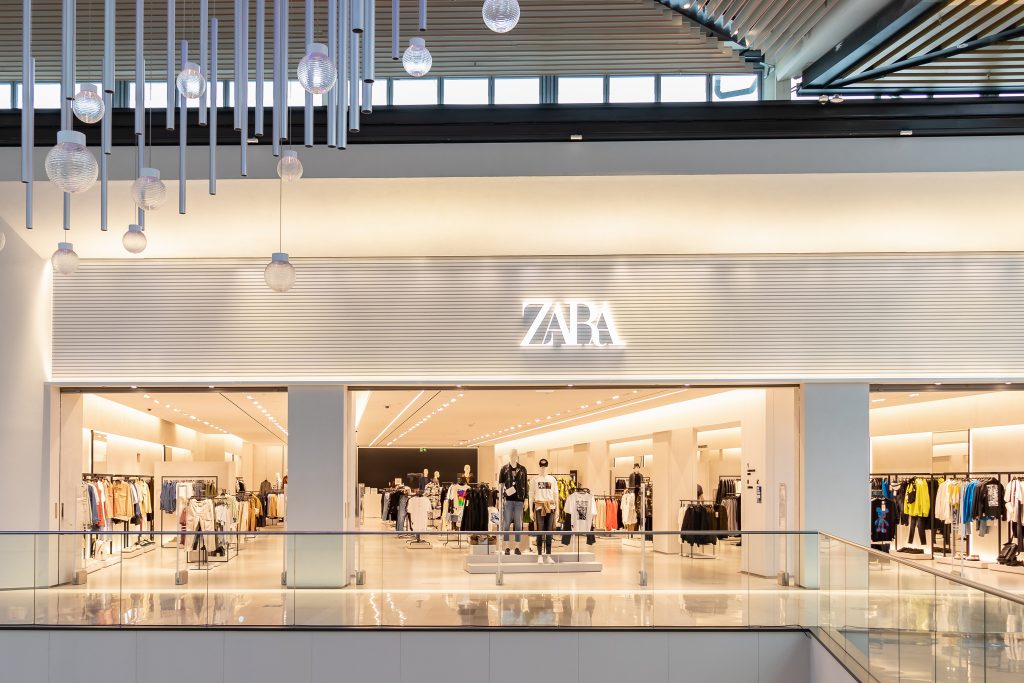
Unveiling The Secrets Of Fast Fashion: Zara's Impact On The Fashion Landscape
Fast fashion refers to the rapid production of inexpensive clothing items in response to the latest trends. Zara, a Spanish clothing retailer, is a prominent example of a fast fashion company. Zara's business model is based on producing and distributing new clothing items at a breakneck pace, often releasing multiple collections per year.
The fast fashion industry has come under fire in recent years for its environmental impact, labor practices, and contribution to overconsumption. However, fast fashion remains popular due to its affordability, convenience, and ability to provide consumers with access to the latest fashion trends.
In recent years, there has been a growing movement towards sustainable fashion, which emphasizes the production of clothing items that are environmentally friendly, ethically produced, and long-lasting. However, fast fashion continues to be a major force in the global apparel industry.
What is Fast Fashion Zara
Fast fashion, as exemplified by Zara, encompasses various key aspects that shape its industry and impact consumers.
- Speed: Fast production and distribution cycles to keep up with rapidly changing trends.
- Affordability: Low prices to cater to a wide range of consumers.
- Variety: Extensive product lines offering a vast selection of styles and designs.
- Trend-driven: Closely follows and responds to the latest fashion trends.
- Disposable: Clothing often designed for short-term wear and frequent replacement.
- Environmental impact: High levels of resource consumption and waste generation.
- Labor practices: Concerns about working conditions in production facilities.
- Overconsumption: Contributes to excessive consumption and waste.
- Sustainability: Growing pressure to adopt more sustainable practices.
These aspects highlight the complex dynamics of fast fashion, balancing consumer demand for affordability and style against concerns about environmental and social responsibility. Understanding these key aspects is crucial for evaluating the impact of fast fashion and driving positive change within the industry.
Speed
Fast fashion retailers like Zara prioritize speed in their production and distribution processes to align with the rapidly evolving fashion trends. This aspect is crucial for understanding the core concept of fast fashion and its implications.
- Shortened Production Cycles
Fast fashion companies like Zara employ agile manufacturing techniques to reduce production times. They divide complex garment construction into simpler steps, allowing for faster assembly and minimizing lead times.
- Efficient Supply Chain Management
Zara has a tightly integrated supply chain that enables quick response to demand. They maintain close relationships with suppliers and use advanced inventory management systems to ensure a steady flow of materials and finished products.
- Frequent Collection Releases
Zara releases new collections at a rapid pace, often introducing multiple lines per year. This allows them to cater to the latest trends and keep their offerings fresh and exciting for consumers.
- Responsive to Consumer Demand
Zara closely monitors consumer preferences through in-store feedback, social media, and data analytics. They use this information to quickly identify and produce items that align with current trends, ensuring a high level of responsiveness to market demands.
In summary, the speed aspect of fast fashion, as exemplified by Zara's practices, involves rapid production cycles, efficient supply chain management, frequent collection releases, and responsiveness to consumer demand. These elements collectively contribute to Zara's ability to keep up with the fast-paced fashion landscape and cater to the evolving preferences of its customers.
Affordability
Affordability is a defining characteristic of fast fashion, with Zara serving as a prominent example. By offering low prices, fast fashion retailers like Zara make their products accessible to a broader consumer base, particularly individuals who may be budget-conscious or seeking value-for-money options.
The low prices associated with fast fashion are achieved through various strategies, including:
- Cost-effective materials: Fast fashion brands often use less expensive materials, such as synthetic fabrics and blends, to reduce production costs and maintain low prices.
- Efficient production processes: Fast fashion companies like Zara implement efficient production techniques, such as automated manufacturing and streamlined supply chains, to minimize labor expenses and production time.
- High volume production: Fast fashion retailers produce clothing in large quantities, which allows them to benefit from economies of scale and negotiate lower prices with suppliers.
- Limited marketing expenses: Fast fashion brands typically allocate less of their budget towards marketing and advertising compared to traditional fashion brands, relying more on word-of-mouth and social media for promotion.
The affordability of fast fashion has a significant impact on consumer behavior. It enables individuals to purchase trendy and stylish clothing items without breaking the bank, which can be particularly appealing to younger consumers and those with limited disposable income. Fast fashion also contributes to the democratization of fashion, making it possible for people from diverse backgrounds to participate in and express themselves through fashion trends.
However, it is important to consider the potential drawbacks associated with the affordability of fast fashion, such as concerns over the quality and durability of garments, as well as the environmental and ethical implications of producing clothing at such low prices.
Variety
Variety is a hallmark of fast fashion, and Zara exemplifies this aspect by offering a wide range of product lines with a vast selection of styles and designs. This variety caters to the diverse tastes and preferences of consumers, allowing them to find items that align with their personal aesthetics and current trends.
- Diverse Product Lines
Zara's product lines encompass a comprehensive range of clothing categories, including womenswear, menswear, kidswear, and accessories. This diversity ensures that consumers can find a variety of items to suit their needs, from everyday basics to special occasion attire.
- Trend-Driven Designs
Zara closely follows fashion trends and incorporates them into their designs, ensuring that their products are always up-to-date and stylish. This trend-driven approach allows consumers to access the latest fashion trends at affordable prices.
- Frequent Collection Updates
Zara regularly releases new collections, with new items being added to stores multiple times per week. This rapid pace of collection updates ensures that consumers have access to a constantly changing selection of fresh and exciting designs.
- Limited Edition and Exclusive Lines
Zara also offers limited edition and exclusive lines, which provide consumers with access to unique and special items. These lines often feature collaborations with designers or are inspired by specific themes or events.
Zara's emphasis on variety allows consumers to express their individuality through fashion, choose items that suit their personal style, and stay up-to-date with the latest trends. This variety is a key factor in the success of fast fashion and contributes to the popularity of Zara among consumers.
Trend-driven
The "Trend-driven" aspect of fast fashion, exemplified by Zara, holds immense significance in understanding the phenomenon of fast fashion. It refers to the practice of fast fashion retailers like Zara closely monitoring and responding swiftly to the latest fashion trends, ensuring that their products align with the rapidly changing desires and preferences of consumers.
Zara's success and popularity stem from its ability to capture and translate emerging fashion trends into affordable and accessible clothing items. By staying attuned to the latest fashion developments, Zara can quickly produce and deliver garments that resonate with consumers' evolving tastes and aspirations. This trend-driven approach allows Zara to maintain a competitive edge and cater to the ever-changing demands of the fashion market.
The connection between "Trend-driven: Closely follows and responds to the latest fashion trends" and "what is fast fashion Zara" lies in the core principles that define fast fashion. Zara's trend-driven nature is a fundamental component of its fast fashion strategy, enabling the company to adapt and respond to the dynamic fashion landscape, ultimately driving consumer demand and propelling the fast fashion cycle.
Disposable
The disposable nature of clothing, often associated with fast fashion as exemplified by Zara, plays a pivotal role in understanding the concept and implications of fast fashion. Zara's business model relies on the production of clothing items designed for short-term wear and frequent replacement, contributing to the rapid consumption and discard rates characteristic of fast fashion.
Several factors contribute to the disposable nature of fast fashion clothing:
- Low cost and affordability: Zara's inexpensive clothing items make them accessible to a wide range of consumers, encouraging frequent purchases and replacements.
- Trend-driven designs: Zara's rapid response to fashion trends leads to the production of garments that align with current styles, promoting the notion of disposability as consumers seek to keep up with changing trends.
- Limited durability: Fast fashion clothing is often made from low-quality materials and constructed using methods that prioritize speed and cost-effectiveness over durability, resulting in garments that may not withstand frequent wear and tear.
The disposability of fast fashion clothing has significant environmental and social implications. The production of disposable clothing contributes to resource depletion, pollution, and waste generation. Additionally, the rapid consumption and discard cycle promoted by fast fashion can lead to overconsumption and a disregard for the value of clothing.
Understanding the disposable nature of fast fashion is crucial for addressing the challenges associated with fast fashion and promoting more sustainable and ethical consumption practices.
Environmental impact
The environmental impact of fast fashion, as exemplified by Zara, is a crucial aspect to consider when exploring the phenomenon of fast fashion. Zara's business model and practices contribute significantly to resource depletion, pollution, and waste generation, raising concerns about the sustainability of the fast fashion industry.
- Resource Depletion:
Fast fashion relies heavily on non-renewable resources such as fossil fuels and water to produce its garments. The production of synthetic materials, a common practice in fast fashion, requires large amounts of energy and contributes to greenhouse gas emissions.
- Water Pollution:
The textile industry, including fast fashion, is a significant contributor to water pollution. The dyeing and treatment of fabrics often involve the use of hazardous chemicals that can contaminate water sources. Fast fashion's emphasis on speed and low cost can lead to inadequate wastewater treatment, resulting in the release of harmful pollutants into the environment.
- Waste Generation:
The disposable nature of fast fashion clothing contributes to the generation of massive amounts of textile waste. Garments that are designed for short-term wear and frequent replacement often end up in landfills or incinerators, releasing harmful substances into the environment.
- Microplastic Pollution:
Synthetic materials used in fast fashion garments can break down into tiny plastic fibers called microplastics. These microplastics can persist in the environment for hundreds of years, contaminating soil, water, and marine ecosystems.
Understanding the environmental impact of Zara's fast fashion practices is crucial for addressing the sustainability challenges associated with the industry. Promoting sustainable production methods, encouraging responsible consumption, and supporting circular fashion models are essential steps towards mitigating the negative environmental consequences of fast fashion.
Labor practices
The exploration of "Labor practices: Concerns about working conditions in production facilities" is crucial for understanding the broader context of "what is fast fashion zara". Zara's fast fashion business model and practices have raised concerns regarding the working conditions in the production facilities that manufacture its garments.
- Exploitation of Workers:
Fast fashion companies like Zara have been criticized for sourcing their products from factories where workers are subjected to poor working conditions, low wages, and excessive working hours. This exploitation of workers undermines their basic rights and human dignity.
- Unsafe Working Environments:
Production facilities in the fast fashion industry often lack adequate safety measures, putting workers at risk of accidents, injuries, and health hazards. Poor ventilation, exposure to toxic chemicals, and lack of proper training can lead to long-term health problems for workers.
- Lack of Fair Wages:
Fast fashion companies have been accused of paying workers below-subsistence wages, which makes it difficult for them to meet their basic needs and maintain a decent standard of living.
- Limited Workers' Rights:
Workers in fast fashion production facilities often have limited rights to organize, bargain collectively, and improve their working conditions. This lack of empowerment can perpetuate unfair labor practices and hinder workers' ability to advocate for their rights.
Addressing labor practices and improving working conditions in production facilities is essential for promoting ethical and sustainable practices in the fast fashion industry. Holding companies like Zara accountable for their labor practices and supporting initiatives that empower workers are crucial steps towards ensuring decent work and fair treatment for all.
Overconsumption
The concept of "overconsumption" is closely intertwined with the phenomenon of "what is fast fashion zara". Zara's business model, characterized by the rapid production and disposal of clothing items, contributes significantly to excessive consumption and waste generation.
Zara's fast-paced production cycles and low prices encourage consumers to purchase more clothing items than they need, often leading to impulsive purchases and overconsumption. The disposable nature of fast fashion garments, designed for short-term wear and frequent replacement, further perpetuates the cycle of waste. This overconsumption has severe environmental and social consequences.
Understanding the role of overconsumption in fast fashion is crucial for addressing sustainability challenges and promoting responsible consumption practices. By recognizing the negative impacts of excessive consumption and waste, consumers can make more mindful purchasing decisions, reduce their environmental footprint, and support sustainable fashion alternatives.
Sustainability
The concept of "Sustainability: Growing pressure to adopt more sustainable practices" is inextricably linked to the phenomenon of "what is fast fashion zara." Zara's fast-paced production model, reliance on low-cost materials, and encouragement of overconsumption have raised significant concerns about the environmental and social impacts of the fast fashion industry.
- Environmental degradation
Fast fashion contributes to environmental degradation through its resource-intensive production processes, use of harmful chemicals, and generation of textile waste. Zara's vast global supply chain and high volume of production exacerbate these impacts.
- Social injustice
The fast fashion industry has been linked to labor exploitation, poor working conditions, and low wages in production facilities, particularly in developing countries. Zara's sourcing practices have come under scrutiny for their potential contribution to these issues.
- Consumer awareness and demand
Growing consumer awareness of the sustainability challenges associated with fast fashion is putting pressure on brands like Zara to adopt more sustainable practices. Consumers are increasingly demanding transparency, ethical production, and environmentally friendly products.
- Regulatory and policy changes
Governments and regulatory bodies are implementing policies and regulations aimed at promoting sustainability in the fashion industry. These measures, such as extended producer responsibility schemes and eco-labeling initiatives, can incentivize brands like Zara to reduce their environmental footprint.
The growing pressure to adopt more sustainable practices is reshaping the fast fashion landscape. Zara and other fast fashion companies are facing the challenge of balancing their profit-driven business models with the need to address environmental and social concerns. This shift towards sustainability is likely to have significant implications for the future of the fast fashion industry and the way consumers engage with fashion.
FAQs on "What is Fast Fashion Zara"
This section provides concise answers to frequently asked questions regarding the concept of fast fashion as exemplified by Zara. The responses aim to clarify common misconceptions and offer a deeper understanding of the topic.
Question 1: What is the main characteristic of fast fashion?
Fast fashion is characterized by its rapid production and distribution cycles, enabling the quick delivery of trendy and affordable clothing items to consumers. This fast-paced model prioritizes speed and cost-effectiveness over sustainability and ethical considerations.
Question 2: How does Zara contribute to the fast fashion industry?
Zara is a prominent example of fast fashion due to its extensive product offerings, frequent collection updates, and global reach. The company's ability to quickly respond to fashion trends and produce large quantities of clothing at low prices has significantly influenced consumer behavior and shaped the fast fashion landscape.
Question 3: What are the environmental concerns associated with fast fashion?
Fast fashion practices, including the use of synthetic materials, resource-intensive production processes, and overproduction, contribute to environmental degradation. These practices can lead to water and air pollution, greenhouse gas emissions, and the accumulation of textile waste.
Question 4: What are the social concerns associated with fast fashion?
Fast fashion has been linked to labor exploitation, poor working conditions, and low wages in the production facilities of its supply chain. Concerns have been raised about the lack of transparency and ethical practices in the industry.
Question 5: Is there a growing demand for sustainable fashion?
Yes, there is a growing recognition of the environmental and social challenges associated with fast fashion, leading to an increased demand for sustainable fashion alternatives. Consumers are becoming more conscious of their choices and seeking out brands that prioritize ethical production, transparency, and environmental sustainability.
Question 6: What is the future of fast fashion?
The future of fast fashion is likely to be shaped by the growing demand for sustainability, regulatory pressures, and technological advancements. Fast fashion companies may need to adapt their business models to meet consumer expectations for ethical and sustainable practices while balancing the need for affordability and speed.
In summary, fast fashion, as exemplified by Zara, is a complex phenomenon with both benefits and challenges. Understanding the key characteristics, environmental and social impacts, and future prospects of fast fashion is crucial for making informed choices and promoting sustainable practices in the fashion industry.
Transition to the next article section:
Tips to Address "What is Fast Fashion Zara"
To mitigate the negative impacts of fast fashion and promote sustainable practices, consider implementing the following tips:
- Embrace Conscious Consumption:
Prioritize quality over quantity by purchasing fewer items that are durable and versatile. Consider the environmental and social impacts of your purchases and support brands that prioritize sustainability.
- Invest in Sustainable Brands:
Seek out brands that adhere to ethical and sustainable practices throughout their supply chain. Look for certifications and transparency reports to ensure their commitment to environmental protection and fair labor.
- Practice Garment Care and Repair:
Extend the lifespan of your clothing by following proper care instructions, repairing items when possible, and repurposing garments to reduce waste.
- Support Local and Ethical Fashion:
Explore local designers and small businesses that prioritize sustainable practices and fair wages. By supporting local businesses, you can reduce the environmental footprint associated with global supply chains.
- Advocate for Change:
Raise awareness about the challenges of fast fashion and advocate for policy changes that promote sustainability and ethical practices in the industry. Encourage transparency and hold brands accountable for their environmental and social impact.
By implementing these tips, we can collectively reduce the negative impacts of fast fashion, support sustainable practices, and promote a more ethical and environmentally conscious fashion industry.
Conclusion
In exploring "what is fast fashion zara," we have examined the defining characteristics, environmental and social impacts, and sustainability challenges associated with this prevalent business model. Fast fashion, exemplified by Zara's practices, has significantly influenced consumer behavior and the fashion industry's dynamics.
Addressing the concerns raised by fast fashion requires a collective effort. Conscious consumption, support for sustainable brands, responsible garment care, advocacy for change, and collaboration among stakeholders are crucial steps toward a more ethical and sustainable fashion future. By embracing mindful practices and demanding transparency and accountability, we can empower consumers and drive positive change within the industry.