Unlock The Runway: Discover The Steps To Master Fashion Design
Steps to Study Fashion Design refers to the journey and educational path an individual undertakes to become a skilled fashion designer. It encompasses a comprehensive range of learning experiences, both theoretical and practical, that equip aspiring designers with the knowledge and abilities necessary to excel in the fashion industry. By pursuing a structured course of study in fashion design, individuals can develop their creativity, technical proficiency, and industry expertise.
Embarking on a fashion design education offers numerous advantages. It provides a solid foundation in design principles, fabric manipulation, and fashion history, enabling designers to create innovative and aesthetically pleasing garments. Furthermore, it fosters critical thinking, problem-solving, and communication skills, which are essential for success in the collaborative and competitive fashion industry. A formal education also offers access to industry professionals, networking opportunities, and specialized facilities, such as design studios and workshops, which can accelerate a designer's growth and development.
Main Article Topics:
- Educational Pathways to Fashion Design
- Core Curriculum and Skill Development
- Specializations and Career Options
- Industry Trends and Emerging Technologies
- Sustainability and Ethical Considerations in Fashion Design
Steps to Study Fashion Design
To delve into the multifaceted world of fashion design, aspiring designers must navigate a series of essential steps that lay the groundwork for their creative journey. These aspects encompass the practical, theoretical, and professional dimensions of fashion design education.
- Inspiration and Research: Fueling creativity through exploration and analysis.
- Sketching and Visualization: Translating ideas into tangible forms.
- Pattern Making and Draping: Understanding the technical foundations of garment construction.
- Fabric Selection and Manipulation: Exploring the properties and potential of different fabrics.
- Color Theory and Application: Mastering the art of color combinations and their impact on design.
- Fashion History and Theory: Contextualizing design within historical and cultural frameworks.
- Industry Knowledge and Practices: Gaining insights into the business and production aspects of fashion.
- Portfolio Development: Showcasing skills and creativity through a curated collection of work.
- Collaboration and Communication: Fostering teamwork and effective communication within the design process.
- Sustainability and Ethics: Balancing creativity with environmental and social responsibility.
These key aspects are interconnected and build upon each other, forming a comprehensive educational pathway for fashion designers. Through rigorous study and practice, designers develop a strong foundation in the principles of design, technical proficiency, and industry knowledge. They learn to translate their inspirations into tangible garments, communicate their ideas effectively, and navigate the complexities of the fashion industry. Understanding these essential steps provides a roadmap for aspiring designers to embark on a successful and fulfilling career in fashion design.
Inspiration and Research
In the realm of fashion design, inspiration serves as the lifeblood of creativity, driving designers to explore new ideas and push the boundaries of their imagination. The process of research and analysis provides the foundation upon which inspiration can flourish, enabling designers to develop concepts that are both innovative and informed.
As a fundamental step in the study of fashion design, inspiration and research play a pivotal role in shaping the designer's creative journey. By delving into various sources of inspiration, such as art, nature, history, and culture, designers broaden their perspectives and cultivate a unique design aesthetic. Research allows them to analyze trends, study different fabrics and techniques, and gain a deep understanding of the fashion industry.
The connection between inspiration and research is evident in the works of renowned fashion designers. For example, Coco Chanel drew inspiration from the simplicity and functionality of menswear, while Yves Saint Laurent found inspiration in traditional African and Asian garments. Through thorough research, these designers were able to reinterpret and adapt these influences into their own designs, creating iconic pieces that have left a lasting impact on the fashion world.
Understanding the significance of inspiration and research empowers aspiring fashion designers to develop their own creative process. By actively seeking out inspiration and engaging in rigorous research, they can fuel their imaginations and create designs that are both original and meaningful. This understanding also enables them to adapt to the ever-changing fashion landscape and stay ahead of emerging trends.
In conclusion, inspiration and research are indispensable components of the steps to study fashion design. They provide the spark of creativity and the foundation for informed decision-making, shaping the designer's unique style and enabling them to navigate the complexities of the fashion industry. By embracing the power of inspiration and research, fashion designers can unlock their full potential and create garments that captivate and inspire.
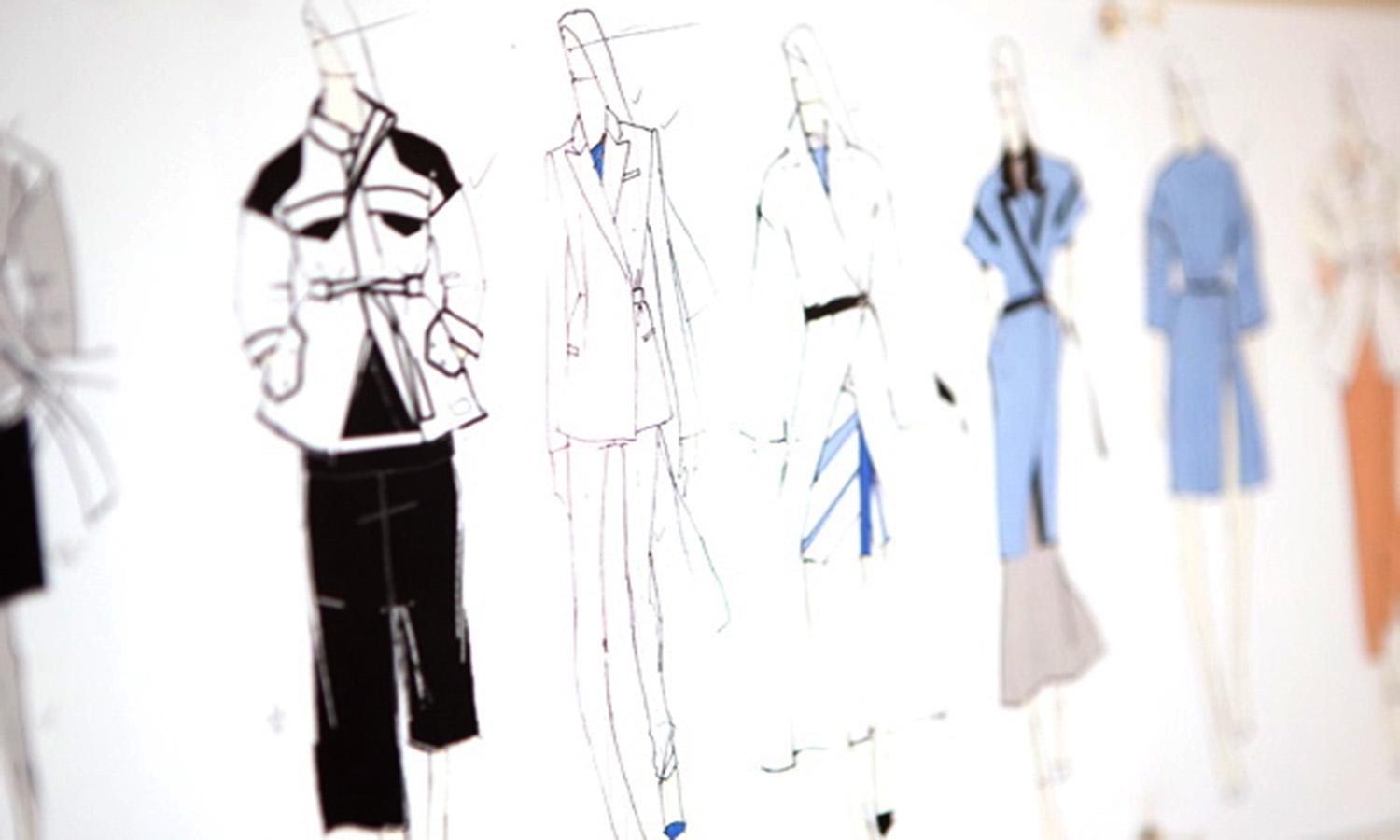
Sketching and Visualization
In the realm of fashion design, sketching and visualization play a pivotal role in translating abstract ideas into tangible forms. It is a crucial step in the design process, enabling designers to communicate their concepts and bring their creative visions to life.
As an integral component of the steps to study fashion design, sketching and visualization allow designers to experiment with different design elements, explore proportions, and refine their ideas before moving on to more technical aspects. Through sketches, designers can capture fleeting inspirations, develop their design aesthetic, and communicate their ideas to others.
Real-life examples abound of renowned fashion designers who have mastered the art of sketching and visualization. Christian Dior's intricate sketches are a testament to his meticulous attention to detail, while Coco Chanel's simple yet elegant sketches captured the essence of her timeless designs. These sketches served as blueprints for their iconic creations, shaping the course of fashion history.
For aspiring fashion designers, understanding the significance of sketching and visualization is paramount. It allows them to develop their visual communication skills, refine their ideas, and experiment with different design possibilities. By honing their sketching abilities, designers can effectively convey their creative visions to clients, manufacturers, and collaborators.
Furthermore, sketching and visualization foster innovation and creativity. By visualizing their ideas on paper, designers can explore unconventional concepts and push the boundaries of their imagination. This process helps them develop a unique design aesthetic and create garments that stand out from the crowd.
In conclusion, sketching and visualization are fundamental steps in the study of fashion design, serving as a bridge between inspiration and tangible creations. Through sketching, designers transform their abstract ideas into concrete forms, allowing them to communicate their concepts effectively and refine their designs. Understanding the connection between sketching and visualization empowers aspiring fashion designers to develop their creativity, enhance their visual communication skills, and navigate the complexities of the fashion industry.
Pattern Making and Draping
In the realm of fashion design, pattern making and draping serve as the cornerstone of garment construction, providing the technical foundation upon which all designs are realized. As crucial steps in the study of fashion design, they empower designers with the skills necessary to transform their creative visions into tangible garments that meet both aesthetic and functional criteria.
- Precision and Accuracy: Pattern making and draping demand meticulous attention to detail and precision, ensuring that garments fit seamlessly and move gracefully on the human body. Designers must possess a strong understanding of body proportions, fabric properties, and construction techniques to create patterns that result in garments that are both visually appealing and comfortable to wear.
- Concept Realization: Through pattern making and draping, designers translate their sketches and designs into three-dimensional forms. This process involves manipulating fabric on a dress form or directly on the body, allowing designers to refine the shape, fit, and drape of their garments. It enables them to visualize their designs in a tangible way and make necessary adjustments before committing to final production.
- Technical Proficiency: Pattern making and draping require a high level of technical proficiency, encompassing skills such as measuring, cutting, sewing, and manipulating fabric. Designers must be well-versed in various sewing techniques and have a thorough understanding of fabric properties to achieve the desired results. This technical proficiency allows them to execute their designs with precision and create garments that meet industry standards.
- Collaboration and Communication: Pattern making and draping often involve collaboration between designers and pattern makers, who work together to bring designs to life. Effective communication is essential to ensure that the designer's vision is accurately interpreted and translated into a functional pattern. This collaborative process fosters teamwork and enhances the overall quality of the final garment.
Pattern making and draping are fundamental steps in the study of fashion design, providing designers with the technical skills and knowledge to create garments that are both aesthetically pleasing and structurally sound. By mastering these techniques, designers gain the confidence to experiment with different design concepts and develop their own unique style. Ultimately, pattern making and draping empower fashion designers to bring their creative aspirations to life, shaping the world of fashion with their innovative designs.
Fabric Selection and Manipulation
In the realm of fashion design, fabric selection and manipulation play a pivotal role, shaping the aesthetic, functionality, and overall impact of garments. As a crucial step in the study of fashion design, it empowers designers with the knowledge and skills to choose and manipulate fabrics in a manner that brings their creative visions to life.
The connection between fabric selection and manipulation and the steps to study fashion design is multifaceted. Firstly, understanding the properties of different fabrics is essential for designers to make informed decisions about which fabrics to use for specific designs. Factors such as fiber content, weave, weight, drape, and texture all influence the suitability of a fabric for a particular garment.
Secondly, fabric manipulation techniques allow designers to transform the appearance and functionality of fabrics, enabling them to create unique and innovative designs. Techniques such as pleating, gathering, ruching, and embroidery can add texture, volume, and movement to garments, enhancing their visual appeal and wearability.
Real-life examples abound of renowned fashion designers who have mastered the art of fabric selection and manipulation. Issey Miyake, known for his innovative pleating techniques, has created garments that are both sculptural and wearable. Rei Kawakubo of Comme des Garons has experimented with unconventional fabrics and deconstructed forms, challenging traditional notions of fashion.
For aspiring fashion designers, understanding the significance of fabric selection and manipulation is paramount. It empowers them to develop a discerning eye for fabrics, enabling them to select the most suitable materials for their designs. By mastering fabric manipulation techniques, they gain the ability to transform ordinary fabrics into extraordinary elements that elevate their garments.
In conclusion, fabric selection and manipulation are fundamental steps in the study of fashion design, providing designers with the knowledge and skills to create garments that are both visually stunning and functionally sound. Through a deep understanding of fabric properties and manipulation techniques, designers gain the power to express their creativity and make a unique contribution to the world of fashion.
Color Theory and Application
Color Theory and Application is a crucial step in the study of fashion design, as it empowers designers with the knowledge and skills to harness the power of color in their creations. Color plays a pivotal role in shaping the aesthetics, mood, and overall impact of garments, and a deep understanding of its principles is essential for aspiring fashion designers.
- Understanding Color Properties: Color theory provides a systematic framework for understanding the properties of color, including hue, saturation, and value. Designers learn how to create harmonious color combinations, use color to evoke emotions, and convey specific messages through their designs.
- Color Psychology: The study of color theory also encompasses color psychology, which explores the emotional and psychological impact of different colors. Designers gain insights into how colors can influence mood, perception, and behavior, enabling them to make informed decisions about the color palettes they use in their designs.
- Color Trends and Forecasting: Fashion designers must be attuned to emerging color trends and have the ability to forecast future color directions. Color theory provides a foundation for understanding the cyclical nature of color trends and enables designers to stay ahead of the curve in their designs.
- Practical Applications: Beyond theoretical knowledge, fashion designers apply color theory principles in various practical ways. They create color swatches, develop mood boards, and experiment with different color combinations to visualize and refine their designs. Color theory also guides their fabric selection, print design, and overall color strategy for their collections.
By mastering the art of color theory and application, fashion designers gain the ability to communicate effectively through color, create visually appealing and emotionally resonant garments, and make informed decisions that enhance the overall impact of their designs. Color theory is an integral part of the steps to study fashion designer, providing a solid foundation for creative expression and professional success in the fashion industry.
Fashion History and Theory
Delving into fashion history and theory is an integral step in the study of fashion design, as it provides designers with a deep understanding of the evolution of fashion and its cultural significance. By contextualizing their designs within historical and cultural frameworks, fashion designers gain valuable insights that inform their creative process and enhance the depth and meaning of their collections.
- Understanding Fashion's Evolution: Fashion history traces the chronological development of fashion, from ancient garments to contemporary trends. Designers study historical silhouettes, fabrics, and techniques to gain an appreciation for the evolution of fashion aesthetics and the factors that have influenced its trajectory.
- Cultural Influences: Fashion is profoundly influenced by cultural factors, including social norms, artistic movements, and political events. Fashion designers explore the cultural contexts of different eras and regions to understand how fashion reflects and shapes society.
- Inspiration and Adaptation: Historical and cultural research serves as a rich source of inspiration for fashion designers. They draw upon past trends, motifs, and techniques to create contemporary designs that resonate with audiences while paying homage to fashion's heritage.
- Critical Analysis and Interpretation: Fashion theory provides a framework for critically analyzing and interpreting fashion. Designers learn to deconstruct garments and fashion trends, examining their cultural meanings, social implications, and aesthetic significance.
By delving into fashion history and theory, fashion designers develop a sophisticated understanding of their craft. They gain the ability to create designs that are both rooted in tradition and forward-looking, drawing upon the past to inform the future of fashion.
Industry Knowledge and Practices
Understanding industry knowledge and practices is a crucial step in the study of fashion design, as it equips designers with the business acumen and production expertise necessary to navigate the complexities of the fashion industry and bring their creative visions to life.
- Business Fundamentals: Fashion designers gain knowledge in business principles, including finance, marketing, and operations. They learn about market analysis, brand management, and the intricacies of the fashion supply chain.
- Production Processes: Designers study the technical aspects of garment production, from fabric sourcing and quality control to manufacturing techniques and ethical considerations. This knowledge enables them to optimize production processes and ensure the quality of their designs.
- Fashion Law and Ethics: Understanding fashion law and ethical practices is essential for designers. They learn about intellectual property rights, labor laws, and sustainability regulations, ensuring that their designs and business practices align with legal and ethical standards.
- Industry Networking and Collaboration: Fashion designers engage in networking and collaboration with professionals across the industry, including manufacturers, retailers, stylists, and fashion journalists. These connections are invaluable for building relationships, gaining insights into industry trends, and promoting their work.
By acquiring industry knowledge and practices, fashion designers gain a comprehensive understanding of the business and production aspects of fashion. This knowledge empowers them to make informed decisions, manage their careers effectively, and create designs that meet the demands of the industry while staying true to their creative vision.
Portfolio Development
In the realm of fashion design, portfolio development is an essential step that enables designers to showcase their skills, creativity, and professional capabilities. As an integral part of the steps to study fashion designer, it serves as a powerful tool for communicating design concepts, demonstrating technical proficiency, and securing opportunities in the competitive fashion industry.
- Visual Storytelling: A well-curated portfolio tells a compelling visual story, showcasing the designer's unique aesthetic, design process, and ability to translate ideas into tangible garments. It allows designers to present their work in a cohesive and impactful manner, highlighting their strengths and areas of expertise.
- Technical Proficiency: Through their portfolios, designers demonstrate their technical proficiency in areas such as sketching, pattern making, draping, and garment construction. It provides potential employers or clients with a clear understanding of their abilities and the quality of their craftsmanship.
- Industry Relevance: Portfolios are tailored to align with industry standards and expectations. Designers research current trends, market demands, and target audiences to ensure that their work resonates with the needs of the fashion industry.
- Career Advancement: A strong portfolio is an invaluable asset for fashion designers seeking to advance their careers. It serves as a calling card, opening doors to internships, job opportunities, and collaborations with established brands or fashion houses.
In conclusion, portfolio development is an integral step in the study of fashion design, empowering designers to effectively showcase their skills, creativity, and industry knowledge. By crafting a cohesive and impactful portfolio, designers position themselves for success in the competitive fashion industry and take a significant step towards realizing their creative aspirations.
Collaboration and Communication
In the dynamic realm of fashion design, collaboration and communication play a pivotal role throughout the design process. Effective teamwork and the ability to communicate ideas clearly are essential for fashion designers to bring their creative visions to life and navigate the complexities of the industry.
As a crucial step in the study of fashion design, collaboration and communication foster a collaborative environment where designers work together with other professionals, including pattern makers, sample makers, and stylists. By sharing ideas, seeking feedback, and leveraging diverse perspectives, designers can refine their designs, identify areas for improvement, and create garments that meet the needs of the target audience.
Effective communication is also paramount in conveying design concepts to clients, manufacturers, and the general public. Fashion designers must be able to articulate their ideas both verbally and visually, using sketches, mood boards, and technical drawings to convey their design intent. Clear communication ensures that all stakeholders are aligned, reducing errors and misinterpretations during the production process.
Real-life examples abound of successful fashion designers who have mastered the art of collaboration and communication. For instance, the renowned design duo Dolce & Gabbana is known for their collaborative approach, with Domenico Dolce handling the design aspects while Stefano Gabbana manages the business side. Their ability to work together seamlessly has contributed to the brand's global success.
Understanding the significance of collaboration and communication empowers aspiring fashion designers to develop strong interpersonal and communication skills. By actively seeking opportunities to collaborate with others, they can expand their knowledge, gain valuable insights, and create designs that are both innovative and commercially viable. Effective communication enables them to build strong relationships with clients and industry professionals, fostering a positive and productive work environment.
Sustainability and Ethics
In the contemporary fashion landscape, sustainability and ethics have emerged asconsiderations for fashion designers. As the industry grapples with its environmental impact and social responsibilities, understanding and implementing sustainable and ethical practices has become an integral part of the steps to study fashion designer.
The connection between sustainability and ethics in fashion design is multifaceted. On one hand, sustainable practices aim to minimize the environmental footprint of fashion production, from sourcing materials to manufacturing processes and waste management. Designers explore innovative ways to utilize eco-friendly fabrics, reduce water consumption, and adopt renewable energy sources throughout their design and production processes.
On the other hand, ethical practices in fashion design encompass fair labor practices, ensuring the well-being of workers involved in the production chain. Designers prioritize transparency in their supply chains, ensuring that garments are produced in safe and just working conditions, and that workers are treated with respect and dignity.
Real-life examples illustrate the successful integration of sustainability and ethics in fashion design. Stella McCartney, known for her commitment to sustainability, has pioneered the use of eco-friendly materials such as organic cotton and recycled polyester in her collections. Patagonia, a leader in ethical practices, has implemented rigorous environmental standards and supports fair trade initiatives, ensuring the well-being of workers throughout its supply chain.
Understanding the significance of sustainability and ethics empowers aspiring fashion designers to create garments that are not only aesthetically pleasing but also responsible and sustainable. By embracing sustainable and ethical practices, designers contribute to a more sustainable and just fashion industry, while also meeting the growing consumer demand for products that align with their values.
Frequently Asked Questions About Steps to Study Fashion Designer
Question 1: What are the essential steps to study fashion design?
Pursuing a fashion design education involves a comprehensive journey encompassing various essential steps. These include developing creativity, mastering technical skills, understanding industry practices, and cultivating a discerning eye for fashion trends. A structured educational program provides a solid foundation in design principles, pattern making, fabric manipulation, and fashion history.
Question 2: How can I develop my creativity as a fashion designer?
Creativity is the lifeblood of fashion design. To cultivate your creative potential, immerse yourself in diverse sources of inspiration, experiment with different mediums, and challenge conventional design norms. Attend exhibitions, study historical garments, and explore various cultures to broaden your design perspective.
Question 3: What technical skills are crucial for fashion designers?
Technical proficiency is essential in fashion design. Develop a strong foundation in sketching, pattern making, sewing, and fabric manipulation. Master the techniques of draping, garment construction, and quality control to bring your designs to life. Proficiency in industry-standard software and digital design tools can further enhance your technical abilities.
Question 4: How do I gain industry knowledge and experience?
Practical experience is invaluable in the fashion industry. Seek internships, participate in fashion competitions, and network with professionals to gain insights into the industry's. Attend industry events, study fashion publications, and conduct thorough research to stay abreast of current trends and best practices.
Question 5: What are the career prospects for fashion designers?
Fashion design offers a diverse range of career opportunities. You can work as a freelance designer, join a fashion house, or start your own label. Other career paths include styling, costume design, fashion journalism, and fashion marketing. With a strong portfolio and a passion for fashion, you can explore various avenues to express your creativity.
Question 6: How can I stay updated with the latest fashion trends and technologies?
To stay at the forefront of fashion, continuous learning is essential. Follow industry publications, attend fashion shows, and engage with fashion influencers to gain insights into emerging trends. Explore new technologies and innovative materials that are shaping the future of fashion design. Embrace experimentation and push the boundaries of creativity to remain relevant in the ever-evolving fashion landscape.
In summary, studying fashion design is a multifaceted journey that requires creativity, technical proficiency, industry knowledge, and a passion for fashion. By pursuing a structured educational program, gaining practical experience, and staying updated with the latest trends and technologies, you can lay the foundation for a successful career in the fashion industry.
Transition to the next article section:
Understanding the steps to study fashion designer is crucial for aspiring designers to embark on a successful career in the field. With dedication, hard work, and a passion for fashion, you can navigate the industry's intricacies and create designs that inspire and captivate.
Tips for Aspiring Fashion Designers
Embarking on a fashion design career requires more than just passion and creativity. To succeed in this competitive industry, aspiring designers must adopt strategic approaches and cultivate essential skills. Here are some valuable tips to guide your journey as a fashion designer:
Tip 1: Nurture Your Creativity
Creativity is the cornerstone of fashion design. Engage in activities that stimulate your imagination, such as visiting art exhibitions, reading fashion magazines, and experimenting with different art forms. Immerse yourself in various cultures and historical fashion trends to broaden your design perspective.
Tip 2: Master Technical Skills
Technical proficiency is crucial in transforming your creative visions into tangible garments. Develop strong skills in sketching, pattern making, sewing, and fabric manipulation. Consider pursuing formal education or workshops to refine your technical abilities and stay updated with industry-standard techniques.
Tip 3: Build a Strong Portfolio
Your portfolio serves as a visual representation of your talent and skills. Showcase your best designs, including sketches, mood boards, and photographs of your garments. Regularly update your portfolio to reflect your growth and evolution as a designer.
Tip 4: Gain Industry Experience
Practical experience is invaluable in the fashion industry. Seek internships, participate in design competitions, and network with professionals to gain insights into the industry's workings. These experiences provide hands-on learning and help you establish connections within the field.
Tip 5: Stay Updated with Trends
Fashion is constantly evolving. Stay informed about emerging trends by reading industry publications, attending fashion shows, and following influential designers. Understanding current trends will enable you to create designs that resonate with the market.
Key Takeaways:
- Creativity and technical skills are the foundation of fashion design.
- A strong portfolio showcases your talent and professionalism.
- Industry experience provides invaluable insights and connections.
- Staying updated with trends is essential for creating relevant designs.
By following these tips, aspiring fashion designers can lay the groundwork for a successful career in this dynamic and ever-changing industry.
Conclusion
The path to becoming a successful fashion designer is paved with creativity, technical proficiency, and a deep understanding of the industry's intricacies. By following the essential steps outlined in this article, aspiring designers can lay the foundation for a rewarding career in this dynamic and ever-evolving field.
From nurturing creativity and mastering technical skills to building a strong portfolio and gaining industry experience, each step is crucial for shaping the designer's journey. Embracing a continuous learning mindset and staying updated with emerging trends are key to staying relevant in the competitive fashion landscape.
The study of fashion design is not merely about creating beautiful garments but also about understanding the cultural, social, and environmental context of fashion. Designers have a responsibility to not only inspire but also to innovate and contribute to a more sustainable and ethical fashion industry.
As the fashion landscape continues to evolve, the steps to study fashion design will undoubtedly adapt and expand. However, the fundamental principles of creativity, technical proficiency, and industry knowledge will remain the cornerstone of a successful fashion design career.