Steps To Make A Fashion Designer: Unveiling The Secrets Behind Fashion Creation
Interested in becoming a fashion designer? Youve come to the right place! This comprehensive guide will take you through all of the steps you need to take to break into the fashion industry and make your mark as a successful fashion designer.
Fashion designing is both an art and a science, and successful fashion designers need to have a strong foundation in both areas. They need to be able to sketch and draw their designs, understand the principles of fashion design, and have a good eye for color and fabric. In addition, they need to be able to keep up with the latest fashion trends and have a good understanding of the fashion industry.
Be sure to check out our other resources on fashion design, including our articles on fashion design schools and fashion design jobs.
Steps to Become a Fashion Designer
To become a successful fashion designer, several key aspects must be considered. These include:
- Education: Formal training in fashion design can provide the necessary skills and knowledge.
- Experience: Hands-on experience through internships or entry-level jobs can be invaluable.
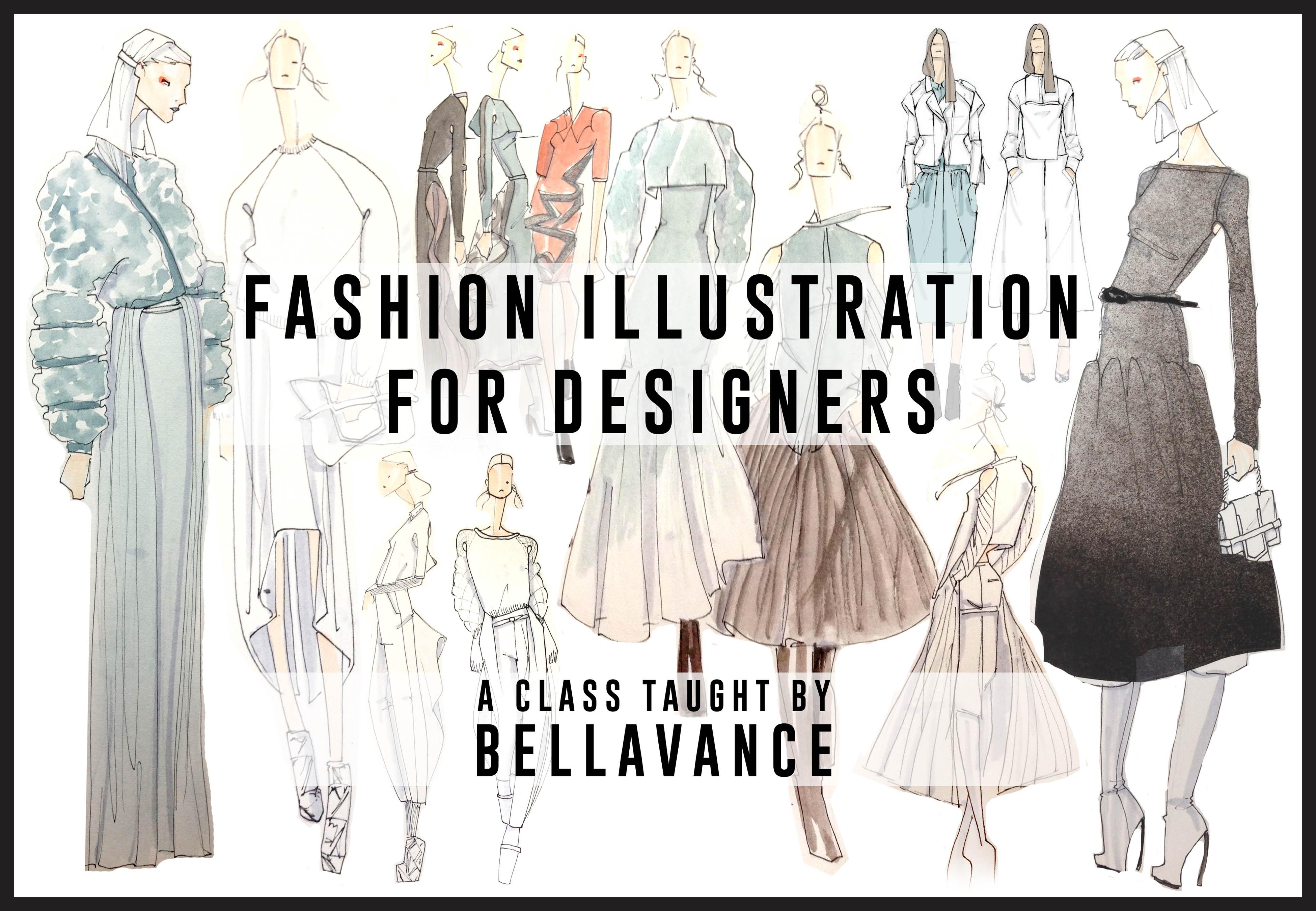
- Sketching: Strong sketching abilities are essential for communicating design ideas.
- Technical skills: Understanding sewing, pattern-making, and fabric manipulation is crucial.
- Creativity: A strong sense of creativity is essential for developing unique designs.
- Trend awareness: Keeping up with fashion trends and industry developments is important.
- Business acumen: Knowledge of business principles can help navigate the industry.
- Networking: Connecting with professionals in the fashion industry can provide opportunities.
- Passion: A genuine love for fashion is essential for success in the field.
These key aspects are interconnected and essential for success in fashion design. Education provides the foundation, while experience allows for practical application of knowledge. Sketching and technical skills enable designers to translate their ideas into tangible creations. Creativity, trend awareness, and business acumen contribute to the development of successful fashion collections. Networking and passion drive designers to connect with others in the industry and pursue their goals. Ultimately, a strong understanding and execution of these aspects can lead to a fulfilling and successful career in fashion design.
Education
Formal training in fashion design is a crucial step in becoming a successful fashion designer. It provides aspiring designers with the essential skills and knowledge they need to succeed in the competitive fashion industry. Fashion design programs typically cover a wide range of topics, including design principles, sketching, pattern-making, sewing, and fashion history. Students also gain hands-on experience through projects and internships, which allow them to apply their knowledge and develop their skills.
There are many benefits to obtaining a formal education in fashion design. First, it provides students with a strong foundation in the principles of design. This foundation is essential for creating successful fashion designs that are both aesthetically pleasing and functional. Second, formal training helps students develop their technical skills, such as sketching, pattern-making, and sewing. These skills are essential for bringing designs to life and ensuring that they are well-constructed and wearable.
In addition to providing students with the necessary skills and knowledge, formal training also helps them develop their creativity and personal style. Fashion design programs encourage students to experiment with different design concepts and to develop their own unique aesthetic. This is essential for creating original and innovative designs that stand out in the fashion industry.
Overall, formal training in fashion design is an important step for aspiring fashion designers. It provides them with the skills, knowledge, and creativity they need to succeed in the competitive fashion industry.
Experience
Practical experience is an indispensable aspect of becoming a successful fashion designer. Hands-on experience allows aspiring designers to apply their theoretical knowledge and develop essential skills in a real-world setting.
- Exposure to Industry Practices
Internships and entry-level jobs provide exposure to the day-to-day operations of the fashion industry. Designers gain insights into design processes, production techniques, and industry standards.
- Skill Development
Practical experience allows designers to refine their technical skills, such as sketching, pattern-making, and garment construction. They also develop their ability to work independently and as part of a team.
- Portfolio Building
Internships and entry-level jobs provide opportunities for designers to create a portfolio of their work. A strong portfolio is essential for showcasing their skills and securing future opportunities.
- Networking
Practical experience offers opportunities to connect with professionals in the fashion industry. Designers can build relationships with potential mentors, collaborators, and employers.
Overall, hands-on experience through internships or entry-level jobs is a crucial step in becoming a successful fashion designer. It provides invaluable opportunities for skill development, portfolio building, networking, and exposure to industry practices.
Sketching
Sketching is a fundamental skill for fashion designers, as it allows them to quickly and effectively communicate their design ideas. Strong sketching abilities enable designers to visually represent their concepts, explore different design options, and convey their ideas to others, such as clients, manufacturers, and fellow designers.
In the fashion design process, sketching serves multiple purposes. Firstly, it is a tool for ideation and exploration. Designers use sketches to generate and develop their initial design concepts. By sketching, they can experiment with different design elements, such as silhouettes, proportions, and details, to find the most promising ideas.
Secondly, sketching is a means of communication. Designers use sketches to present their ideas to others and to get feedback. They may sketch for clients to illustrate their vision for a garment or for manufacturers to provide instructions for production. Clear and accurate sketches help to ensure that the final product aligns with the designer's intended vision.
Moreover, sketching is a way for designers to refine and develop their ideas. By sketching multiple variations of a design, designers can compare and contrast different options and make informed decisions about the best way to proceed. Sketching also allows designers to experiment with different materials and techniques, which can lead to innovative and creative solutions.
In summary, strong sketching abilities are essential for fashion designers as they enable them to communicate their design ideas effectively, explore different design options, and refine their designs. Sketching is a fundamental skill that underpins the entire fashion design process.
Technical skills
In the realm of fashion design, technical skills form the cornerstone of successful garment creation. Understanding sewing, pattern-making, and fabric manipulation is not merely an optional aspect but a fundamental requirement for any aspiring fashion designer.
Sewing, the art of joining fabrics together, is the backbone of garment construction. Designers must possess a thorough understanding of different sewing techniques and stitch types to execute their designs with precision and durability. Pattern-making, the process of creating a template for garment pieces, is equally critical. Accurate patterns ensure that garments fit properly and drape elegantly on the body.
Beyond sewing and pattern-making, fabric manipulation is a skill that elevates fashion design from mere construction to artistic expression. Designers must have a keen understanding of different fabric types, their properties, and how they respond to various techniques. Manipulation techniques, such as pleating, draping, and embroidery, allow designers to add texture, volume, and embellishment to their creations, transforming ordinary fabrics into extraordinary works of art.
The significance of technical skills in fashion design cannot be overstated. They empower designers to bring their creative visions to life, ensuring that garments are not only visually appealing but also functional and well-crafted. Without a solid foundation in these technical areas, designers would be limited in their ability to translate their ideas into tangible, wearable garments.
Creativity
Creativity is the lifeblood of fashion design, the spark that ignites the imagination and transforms ordinary fabrics into extraordinary works of art. Without a strong sense of creativity, designers would be unable to develop the unique and innovative designs that set them apart in the competitive fashion industry.
Creativity is not simply about coming up with new and unusual ideas, but also about the ability to refine and develop those ideas into wearable, functional garments. Fashion designers must have a deep understanding of color theory, fabric properties, and construction techniques in order to bring their creative visions to life.
The importance of creativity in fashion design cannot be overstated. It is the driving force behind every successful collection, from the conceptualization of new designs to the execution of finished garments. Without creativity, fashion design would be a dull and uninspired industry, devoid of the beauty and innovation that makes it so captivating.
Trend awareness
In the ever-evolving landscape of fashion, trend awareness plays a pivotal role for aspiring fashion designers. Staying abreast of the latest trends and industry developments is not merely a matter of following fads, but rather a strategic necessity for designers who wish to create garments that resonate with the contemporary market.
- Understanding Market Demand
Trend awareness allows designers to gauge the preferences and desires of their target audience. By monitoring fashion trends, designers can identify popular styles, colors, and silhouettes, ensuring that their designs align with the tastes of consumers.
- Inspiration and Innovation
Fashion trends can serve as a source of inspiration for designers, sparking new ideas and fueling their creativity. By studying the latest trends, designers can incorporate innovative elements into their designs, pushing the boundaries of fashion and creating garments that stand out from the crowd.
- Adapting to Changing Styles
The fashion industry is constantly evolving, with new trends emerging and fading away. Trend awareness enables designers to adapt their designs to the changing landscape, ensuring that their collections remain relevant and appealing to consumers.
- Competitive Advantage
In a competitive fashion market, staying ahead of trends can give designers a significant advantage. By being aware of the latest developments, designers can create garments that meet the demands of the market and differentiate their brand from competitors.
In conclusion, trend awareness is an indispensable aspect of becoming a successful fashion designer. By keeping up with the latest fashion trends and industry developments, designers can create garments that resonate with consumers, fuel their creativity, adapt to changing styles, and gain a competitive edge in the ever-evolving fashion industry.
Business acumen
For aspiring fashion designers, a strong foundation in business acumen is not merely an optional asset but a vital component of their success. The fashion industry, like any other competitive market, demands a comprehensive understanding of business principles to navigate its complexities and achieve long-term viability.
One of the primary reasons why business acumen is crucial for fashion designers is its impact on decision-making. In the highly competitive fashion landscape, designers must make informed decisions regarding production, marketing, and distribution. Knowledge of business principles empowers designers to analyze market trends, understand consumer behavior, and make strategic choices that align with their business goals.
Furthermore, business acumen enables fashion designers to manage their finances effectively. Understanding financial concepts such as budgeting, cost analysis, and profit margins is essential for ensuring the financial stability and growth of their brand. By managing their finances wisely, designers can invest in high-quality materials, skilled labor, and effective marketing strategies, all of which contribute to the success of their fashion line.
Beyond financial management, business acumen also encompasses skills in negotiation and contract management. Fashion designers often collaborate with manufacturers, suppliers, and retailers. A strong understanding of business principles allows them to negotiate favorable terms, protect their intellectual property, and ensure that their interests are safeguarded.
In conclusion, business acumen is an indispensable element of the steps to make fashion designer. It provides designers with the knowledge and skills necessary to navigate the challenges of the industry, make informed decisions, manage their finances effectively, and build a sustainable and successful fashion brand.
Networking
Networking, the process of building and maintaining professional relationships, is an integral aspect of the steps to make fashion designer, offering numerous opportunities for aspiring designers to advance their careers.
- Access to Industry Insights and Trends
By connecting with professionals in the fashion industry, designers gain access to valuable insights and information about current trends, market demands, and industry best practices. This knowledge can inform their design decisions and help them stay ahead of the curve in a rapidly evolving field.
- Collaboration and Mentorship Opportunities
Networking facilitates collaboration with other designers, manufacturers, and industry experts. These connections can lead to mutually beneficial partnerships, mentorship opportunities, and the exchange of ideas that can foster creative growth and innovation.
- Job Opportunities and Career Advancement
Networking opens doors to potential job opportunities and career advancement prospects. By establishing relationships with professionals in the industry, designers can increase their visibility, showcase their work, and gain access to exclusive opportunities that might not be available through traditional job search channels.
- Inspiration and Support
The fashion industry can be highly competitive and demanding. Networking provides designers with a support system of like-minded individuals who can offer encouragement, inspiration, and constructive feedback on their work.
In conclusion, networking is an essential component of the steps to make fashion designer and offers a multitude of opportunities for aspiring designers to connect with professionals, gain industry knowledge, explore collaboration prospects, and advance their careers in the competitive world of fashion.
Passion
In the realm of fashion design, passion is not merely a desirable trait but a fundamental requirement for aspiring designers seeking to make their mark in the industry. A genuine love for fashion drives designers to go beyond the superficial aspects of clothing and delve into the art of creating garments that evoke emotion, express individuality, and shape cultural narratives.
- Inspiration and Creativity
Passion fuels the creative spark that drives designers to envision new designs, experiment with fabrics and colors, and push the boundaries of fashion. It inspires them to draw upon their own experiences, emotions, and observations to create garments that are not only visually appealing but also deeply meaningful.
- Dedication and Hard Work
The fashion industry is notoriously demanding, requiring long hours, meticulous attention to detail, and an unwavering commitment to quality. Passion serves as an intrinsic motivator, propelling designers to persevere through challenges, refine their skills, and constantly strive for excellence.
- Resilience and Adaptability
The fashion landscape is constantly evolving, with new trends emerging and fading away. Passionate designers possess the resilience to withstand setbacks, adapt to changing market demands, and embrace innovation to stay relevant and successful.
- Connection with the Fashion Community
Passion for fashion fosters a deep connection with the industry and its community. Designers who are genuinely passionate about their craft are more likely to engage with fellow designers, attend industry events, and contribute to the growth and evolution of the fashion ecosystem.
In conclusion, passion is the driving force behind every successful fashion designer. It fuels creativity, inspires dedication, fosters resilience, and establishes a deep connection with the fashion community. By embracing their passion for fashion, aspiring designers can unlock their full potential and make a meaningful impact in the industry.
FAQs about Steps to Make Fashion Designer
Becoming a fashion designer requires dedication, creativity, and a deep understanding of the industry. Here are answers to some frequently asked questions about the steps involved in pursuing a career in fashion design:
Question 1: What are the essential skills for a fashion designer?Essential skills for fashion designers include sketching, pattern-making, sewing, fabric manipulation, trend forecasting, and business acumen.
Question 2: What type of education is best for aspiring fashion designers?Formal education in fashion design from accredited schools or programs provides a strong foundation in design principles, technical skills, and industry knowledge.
Question 3: How can I gain practical experience in fashion design?Internships, apprenticeships, and entry-level jobs in the fashion industry offer valuable hands-on experience and networking opportunities.
Question 4: What are the key qualities of a successful fashion designer?Successful fashion designers possess creativity, passion for fashion, adaptability to industry trends, strong work ethic, and a keen eye for detail.
Question 5: How can I stay updated on the latest fashion trends?Fashion magazines, industry events, online resources, and social media platforms are valuable sources for staying informed about the latest trends and innovations in fashion.
Question 6: What are the career prospects for fashion designers?Fashion designers can work in various roles within the industry, including design, production, styling, and fashion journalism. With experience and talent, career advancement opportunities are available.
Remember, the journey to becoming a successful fashion designer is an ongoing process that requires passion, hard work, and a commitment to excellence.
Transition to the next article section...
Tips to Become a Successful Fashion Designer
Pursuing a career in fashion design requires dedication, creativity, and a comprehensive understanding of the industry. Here are some valuable tips to help aspiring designers navigate the steps to make fashion designer and achieve success in the field:
Tip 1: Cultivate a Strong FoundationDevelop a solid foundation in the fundamentals of fashion design through formal education or mentorship programs. Master sketching, pattern-making, sewing, and fabric manipulation techniques to translate your creative ideas into tangible garments.
Tip 2: Gain Practical ExperienceSeek internships, apprenticeships, or entry-level jobs to gain practical experience in the fashion industry. Hands-on involvement in design, production, or styling roles provides invaluable insights and networking opportunities.
Tip 3: Stay Updated on TrendsContinuously monitor fashion trends and industry developments through fashion magazines, online resources, and industry events. Staying abreast of the latest styles, fabrics, and techniques helps designers create garments that resonate with the evolving tastes of consumers.
Tip 4: Develop Your Creative VisionNurture your unique creative vision and personal style. Experiment with different design concepts, explore various inspirations, and push the boundaries of your imagination to develop a distinct and recognizable aesthetic.
Tip 5: Build a Strong PortfolioCreate a comprehensive portfolio that showcases your best work, including sketches, design concepts, and photographs of your garments. A well-curated portfolio is essential for attracting potential clients, employers, or investors.
Tip 6: Network and CollaborateAttend industry events, connect with other designers, and collaborate with professionals in related fields. Building a strong network can provide access to valuable opportunities, mentorship, and support within the fashion community.
Tip 7: Embrace Business AcumenDevelop a basic understanding of business principles, including budgeting, marketing, and negotiation. Knowledge of the business side of fashion helps designers manage their finances, promote their brand, and navigate the complexities of the industry.
Tip 8: Stay Persistent and AdaptableThe fashion industry is highly competitive and constantly evolving. Cultivate persistence, resilience, and the ability to adapt to changing trends and market demands. Continuous learning, innovation, and a strong work ethic are key to long-term success.
Remember, the path to becoming a successful fashion designer requires dedication, hard work, and a passion for the craft. By embracing these tips, aspiring designers can enhance their skills, refine their creative vision, and increase their chances of making a mark in the competitive world of fashion.
Conclusion
The journey to becoming a successful fashion designer is an intricate and multifaceted process. It demands a harmonious blend of creativity, technical proficiency, and business acumen. By meticulously following the steps outlined in this comprehensive guide, aspiring designers can lay a solid foundation for their careers.
Remember, the fashion industry is a dynamic and ever-evolving landscape. Embracing continuous learning, innovation, and adaptability will empower designers to navigate its complexities and stay ahead of evolving trends. With unwavering determination, a passion for fashion, and a commitment to excellence, aspiring designers can transform their creative visions into tangible garments that inspire and captivate audiences.